
 Chinese
Water bladders, also known as hydration reservoirs, are indispensable for outdoor enthusiasts, athletes, and professionals who need portable water storage. However, even the best water bladder can occasionally present issues that hinder its performance. As a leading manufacturer in the hydration solutions industry, FUJIAN SBS SIBO TECHNOLOGY CO., LTD (abbreviated as SIBO) brings you a comprehensive guide on how to troubleshoot common water bladder problems, ensuring your hydration needs are always met.
Understanding Water Bladders: Industry Overview
The water bladder industry has experienced significant growth in recent years, driven by the increasing popularity of outdoor activities, military applications, and emergency preparedness. Companies like SIBO are at the forefront, innovating with advanced materials and smart designs for enhanced durability and user convenience. The global shift towards sustainable, reusable hydration solutions also underscores the importance of reliable water bladders in reducing single-use plastic waste. As new technologies emerge, such as antimicrobial linings and quick-connect valves, industry leaders continue to set standards for quality and performance.
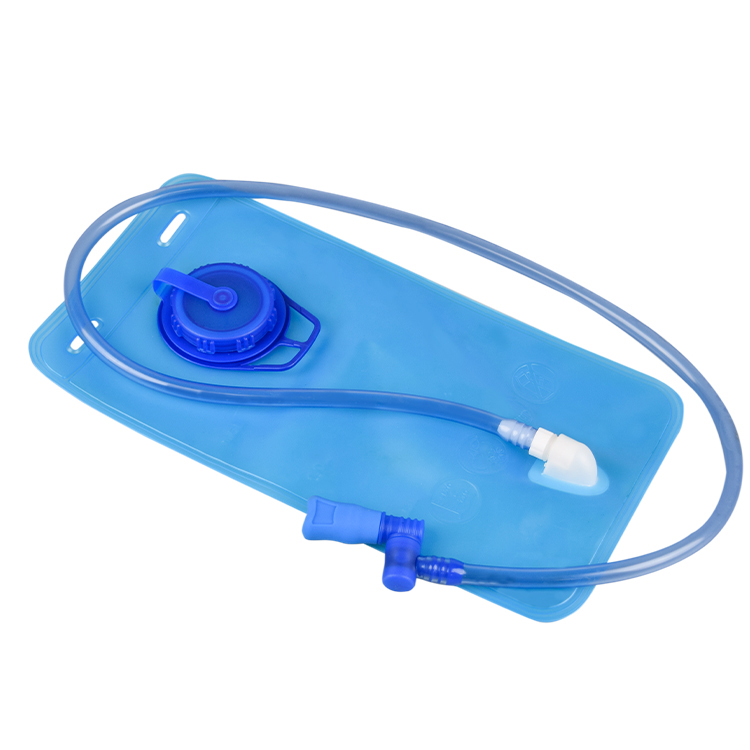
Common Issues with Water Bladders
- Leaking
- Strange taste or odor
- Difficulty in cleaning
- Slow or blocked water flow
- Wear and tear of seals and valves
Let’s explore each issue in detail and provide actionable solutions, drawing on SIBO’s extensive expertise in hydration technology.
military green military quality water bag product
fishing tackle box with adjustable dividers product
tpuevapeva reservoir hydration outdoor sport product
best fishing tackle boxes product
1. Leaking Water Bladders
Leaks are among the most frequent complaints with water bladders. They can occur due to punctures, seam failures, or faulty seals. To troubleshoot:
- Inspect the bladder: Fill it with water and gently squeeze to check for visible leaks.
- Check the seams: High-quality bladders from SIBO use advanced welding technology to reinforce seams, but regular use can still cause wear.
- Seal inspection: Examine the cap and valve seals for cracks or debris. Clean and lubricate if necessary.
If a small puncture is detected, use a repair kit (often supplied by manufacturers like SIBO) to patch the hole. For seam or persistent valve leaks, replacement may be necessary.
Industry Note: Material Innovation
SIBO and other top brands are investing in TPU (thermoplastic polyurethane) and food-grade silicone, which offer superior puncture resistance and flexibility compared to traditional materials. This innovation has reduced leakage rates across the industry.
2. Strange Taste or Odor
Another common issue is an unpleasant taste or odor, especially with new bladders or after prolonged storage. This can discourage users from drinking enough water, impacting hydration.
- Initial cleaning: Always wash a new bladder with mild soap and warm water before first use.
- Deep cleaning: Use specialized cleaning tablets or a mixture of baking soda and lemon juice to neutralize odors.
- Proper drying: After each use, dry the bladder thoroughly to prevent bacteria and mold growth.
SIBO recommends regular maintenance and offers cleaning kits designed for their hydration reservoirs. Additionally, the company’s latest models feature antimicrobial linings to inhibit bacterial growth and maintain water freshness.
Keyword Insert: Hydration Bladder & Camping Water Bag
Both the hydration bladder and camping water bag are subject to similar cleaning and maintenance routines. Whether you’re using a SIBO hydration bladder for trail running or a camping water bag for extended outdoor trips, proper care ensures safe and pleasant hydration.
3. Difficulty in Cleaning
Cleaning water bladders can be challenging due to narrow openings and internal tubing. Residue buildup can lead to bad taste and health risks.
- Use cleaning brushes: SIBO offers cleaning brush kits specifically designed for tubes and reservoir interiors.
- Wide-mouth designs: Choose bladders with large openings for easier access and thorough cleaning.
- Drying racks: Invest in a drying rack to keep the bladder open and promote air circulation.
Regular cleaning is crucial, especially after storing sugary drinks or using the bladder in hot environments where bacteria can thrive.
4. Slow or Blocked Water Flow
If your water bladder’s flow rate decreases, the culprit is often a blocked tube or bite valve. To resolve:
- Check for kinks: Inspect the hose for bends or pinches that restrict flow.
- Clean the valve: Detach and rinse the bite valve to remove debris or buildup.
- Flush the system: Run warm water through the tube and valve to clear blockages.
SIBO’s hydration bladders are equipped with quick-disconnect valves, making cleaning and maintenance more user-friendly—a feature now standard in the industry.
5. Wear and Tear of Seals and Valves
Over time, the seals and valves in a water bladder can degrade, leading to leaks or inconsistent flow. Preventive maintenance includes:
- Inspecting seals and valves before each use
- Replacing worn components with genuine SIBO spare parts
- Storing the bladder in a cool, dry place away from direct sunlight
Industry leaders like SIBO are developing more durable, replaceable valve systems to extend product lifespan and reduce environmental impact.
Conclusion: Trust in SIBO’s Expertise
Water bladders are essential for hydration on the go, but even the best products require regular care and occasional troubleshooting. By following these tips from FUJIAN SBS SIBO TECHNOLOGY CO., LTD, users can maximize the performance and longevity of their hydration bladders and camping water bags. SIBO remains committed to advancing hydration technology, ensuring that outdoor enthusiasts, athletes, and professionals always have access to safe, reliable water storage solutions.
For more expert advice, product updates, and industry news, stay connected with SIBO—your trusted partner in hydration innovation.
Post time: Apr-20-2026