 Chinese
Latest News from FUJIAN SBS SIBO TECHNOLOGY CO.,LTD
As global awareness of sustainability grows, travelers are increasingly seeking eco-friendly solutions for their adventures. FUJIAN SBS SIBO TECHNOLOGY CO.,LTD (SIBO) is at the forefront of this movement, manufacturing soft cooler bags that blend convenience with environmental responsibility. But are soft cooler bags truly eco-friendly options for travelers? Let’s explore this hot topic and see how SIBO is leading the way.
Understanding Soft Cooler Bags and Their Materials
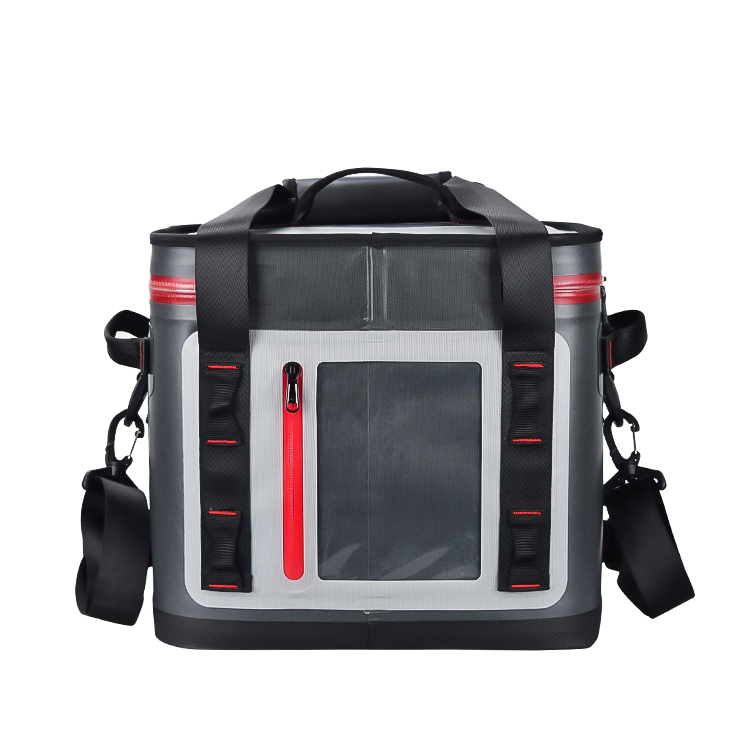
Soft cooler bags have become a staple for travelers, campers, and outdoor enthusiasts. Unlike traditional hard coolers, these bags are lightweight, flexible, and easier to carry. SIBO utilizes advanced materials such as recycled polyester and TPU in their production, reducing reliance on virgin plastics and minimizing environmental impact. The choice of materials is a crucial factor in determining the eco-friendliness of soft cooler bags.
Many of SIBO’s products incorporate recycled content and are designed for durability, which means they can be used for years without needing replacement. This longevity is an important aspect of sustainability, as it helps reduce waste and the resources required for manufacturing new products.
good quality outdoor sport reservoir bladder backpack product
large capacity travel bag customization product
camelbak water bladder product
water bladder bag product
Industry Trends: Sustainability in Outdoor Gear
The outdoor gear industry has seen a significant shift towards sustainable practices. Brands like SIBO are investing in research and development to create products that are not only functional but also kind to the planet. According to recent market reports, demand for eco-friendly travel accessories is growing at a rate of 15% annually, with soft cooler bags leading the charge.
- Use of recycled or upcycled materials
- Reduction of single-use plastics
- Improved product durability
- Responsible manufacturing processes
These industry-wide changes are encouraging manufacturers to consider the entire lifecycle of their products, from raw material sourcing to end-of-life disposal.
Eco-Friendly Features of SIBO Soft Cooler Bags
SIBO’s commitment to sustainability is evident in their product design and manufacturing processes. Their soft cooler bags feature insulation made from recycled fibers, water-resistant coatings that are free from harmful chemicals, and packaging that utilizes biodegradable materials. These features align with the company’s goal to minimize environmental impact at every stage.
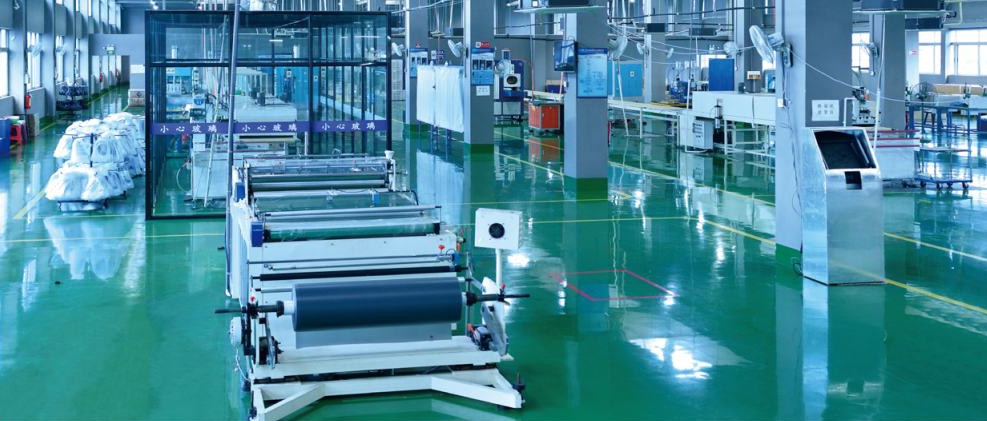
Additionally, SIBO has implemented energy-efficient manufacturing techniques and waste reduction policies in their factories. By investing in green technology, the company ensures that their operations have a lower carbon footprint compared to traditional manufacturing methods.
Keyword Spotlight: “Soft Cooler Bags” and “Eco-Friendly”
When searching for “soft cooler bags,” travelers are often concerned about portability and cooling efficiency. SIBO’s soft cooler bags offer superior thermal insulation, keeping food and drinks cold for extended periods without the bulk of hard coolers. The eco-friendly aspect comes into play with the use of recycled materials and responsible production techniques, making these bags a preferred choice for environmentally conscious consumers.
The keyword “eco-friendly” has become synonymous with responsible travel. SIBO’s products are certified by international environmental standards, assuring travelers that their purchase supports sustainable practices. This dual focus on functionality and sustainability sets SIBO apart in a crowded market.
Challenges and Opportunities in Eco-Friendly Manufacturing
While the shift towards eco-friendly products is promising, there are challenges that manufacturers like SIBO must overcome. Sourcing high-quality recycled materials can be costly, and ensuring consistent product performance requires rigorous quality control. However, the opportunity to make a positive impact on the environment drives innovation and collaboration within the industry.
Industry experts predict that the next wave of eco-friendly travel gear will incorporate smart features such as solar-powered cooling and integrated tracking systems. SIBO is already exploring these possibilities, aiming to stay ahead of consumer demands while maintaining their commitment to sustainability.
Consumer Awareness and Education
Educating consumers about the benefits of eco-friendly products is essential for driving change. SIBO regularly publishes guides and tips on how to care for soft cooler bags, extend their lifespan, and recycle them responsibly. By empowering travelers with knowledge, the company encourages responsible consumption and supports the global movement towards sustainability.
- Proper cleaning and storage techniques
- Recycling options for end-of-life products
- Choosing the right size and style for your needs
These efforts not only enhance customer satisfaction but also contribute to a greener future for all.
Conclusion: Are Soft Cooler Bags the Right Choice for Eco-Conscious Travelers?
In summary, soft cooler bags from FUJIAN SBS SIBO TECHNOLOGY CO.,LTD offer a compelling blend of convenience and sustainability. By prioritizing recycled materials, responsible manufacturing, and consumer education, SIBO is setting new standards for eco-friendly travel gear. While challenges remain, the industry’s commitment to innovation and environmental stewardship ensures that travelers have access to products that align with their values.
For those seeking “soft cooler bags” that are truly “eco-friendly,” SIBO provides options that make every adventure a little greener. As the travel industry continues to evolve, choosing sustainable gear is not just a trend—it’s a responsibility.
| Feature | SIBO Soft Cooler Bags | Traditional Coolers |
|---|---|---|
| Material | Recycled Polyester, TPU | Virgin Plastic, Metal |
| Weight | Lightweight | Heavy |
| Eco-Friendly | Yes | No |
| Durability | High | Medium |
For more information on SIBO’s eco-friendly soft cooler bags, visit their latest news page or contact their sustainability team.
Post time: Oct-13-2025