
 Chinese
Soft water bottles have become a staple for outdoor enthusiasts, athletes, and everyday users seeking lightweight, portable hydration solutions. As a leading manufacturer in the hydration industry, FUJIAN SBS SIBO TECHNOLOGY CO., LTD (abbreviated as SIBO) is dedicated to providing high-quality soft water bottles that meet the demands of modern users. But one question remains prevalent among consumers: how long does a soft water bottle last? In this article, we delve into the lifespan of these innovative bottles, factors affecting their durability, and what sets SIBO’s products apart in the competitive market.
The Lifespan of a Soft Water Bottle: What to Expect
The longevity of a soft water bottle depends on several factors, including material quality, usage frequency, maintenance, and storage conditions. Generally, a premium soft water bottle—like those manufactured by SIBO—can last anywhere from one to three years with regular use. However, with proper care, some users report their bottles lasting even longer without significant degradation.
Soft water bottles are typically made from advanced thermoplastic polyurethane (TPU) or similar flexible, food-grade materials. These polymers are chosen for their balance of toughness, flexibility, and resistance to wear and tear. SIBO, for instance, rigorously tests its bottles to ensure they withstand repeated compression, folding, and exposure to various temperatures.
Key Factors That Influence Durability
- Material Quality: High-grade TPU or silicone ensures better resistance to punctures and abrasions.
- Usage Habits: Frequent folding, overfilling, or rough handling can reduce the bottle’s lifespan.
- Cleaning Routine: Regular and gentle cleaning prevents mold and material fatigue.
- Storage Conditions: Storing in extreme heat or direct sunlight can degrade polymers over time.
SIBO’s commitment to quality control and material selection ensures that their soft water bottles consistently outperform generic alternatives in terms of longevity and safety.
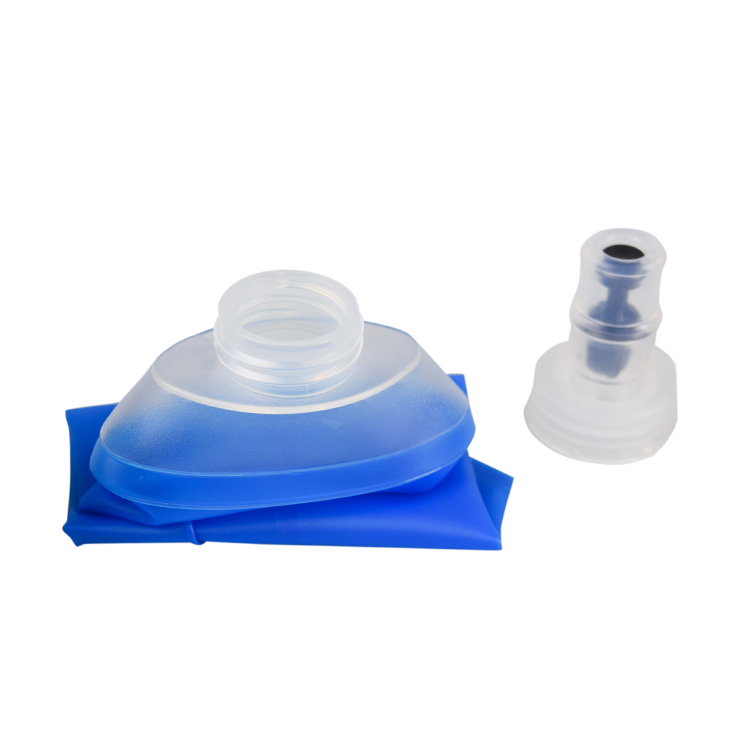
outdoor sports waterproof bag product
portable water bag backpack product
hiking backpack with water bladder product
Industry Trends: Soft Water Bottles and Sustainability
The hydration industry is rapidly evolving, with a strong focus on sustainability and user convenience. Soft water bottles have surged in popularity due to their collapsible design and reduced plastic usage, aligning with global efforts to minimize single-use plastics. SIBO has responded to this trend by integrating BPA-free materials and recyclable components in their product lines, ensuring eco-friendly hydration options for conscious consumers.
Moreover, many outdoor brands are partnering with manufacturers like SIBO to develop customized soft water bottles with enhanced features—such as antimicrobial coatings, integrated filters, and ergonomic bite valves—to cater to diverse user needs. This industry-wide innovation not only extends the functional lifespan of soft water bottles but also encourages responsible consumer behavior.
Comparing Soft Water Bottles with Traditional Bottles
| Feature | Soft Water Bottle | Traditional Rigid Bottle |
|---|---|---|
| Weight | Ultra-light | Heavier |
| Portability | Collapsible, space-saving | Bulky, fixed shape |
| Durability | 1-3 years (with care) | 2-5 years |
| Environmental Impact | Lower, less material used | Higher, more plastic/metal |
While traditional bottles may last slightly longer, soft water bottles offer unmatched convenience and sustainability, making them a preferred choice for many.
Maintaining Your SIBO Soft Water Bottle for Maximum Longevity
Proper Cleaning Techniques
- Rinse thoroughly after each use, especially with flavored or sugary drinks.
- Use mild soap and a bottle brush for deep cleaning every few days.
- Allow the bottle to air dry completely before storing to prevent mold growth.
Smart Storage Tips
- Store in a cool, dry place away from direct sunlight.
- Avoid compressing the bottle when not in use to maintain its shape.
- Check for any signs of wear, such as leaks or cracks, before each use.
By following these simple steps, users can significantly extend the life of their SIBO soft water bottles, ensuring safe and reliable hydration on every adventure.
Industry Insights: Innovation and Safety Standards
The soft water bottle market is subject to stringent safety and quality regulations. SIBO adheres to international standards such as FDA, LFGB, and EU certifications, ensuring all products are safe for repeated use. The company’s investment in research and development has also led to the introduction of customized soft water bottles for different sports and environments, further enhancing their appeal and functionality.
Additionally, SIBO’s focus on BPA-free materials reflects a broader industry shift toward health-conscious manufacturing. Bisphenol A (BPA) is a chemical previously used in plastics, now avoided due to health concerns. By eliminating BPA, SIBO guarantees that their bottles are safe for both adults and children, reinforcing the brand’s reputation for quality and responsibility.
Conclusion: Why Choose SIBO for Your Hydration Needs?
In summary, the lifespan of a soft water bottle largely depends on material quality, user care, and storage practices. SIBO’s dedication to innovation, safety, and sustainability ensures that their soft water bottles not only last longer but also provide superior user experiences. Whether you’re a hiker, athlete, or eco-conscious consumer, SIBO’s products are designed to meet your hydration needs with reliability and style.
As the industry continues to evolve, SIBO remains at the forefront, delivering cutting-edge hydration solutions that prioritize both performance and environmental responsibility. When considering how long a soft water bottle lasts, choosing a trusted manufacturer like SIBO makes all the difference.
Post time: Nov-18-2025