 Chinese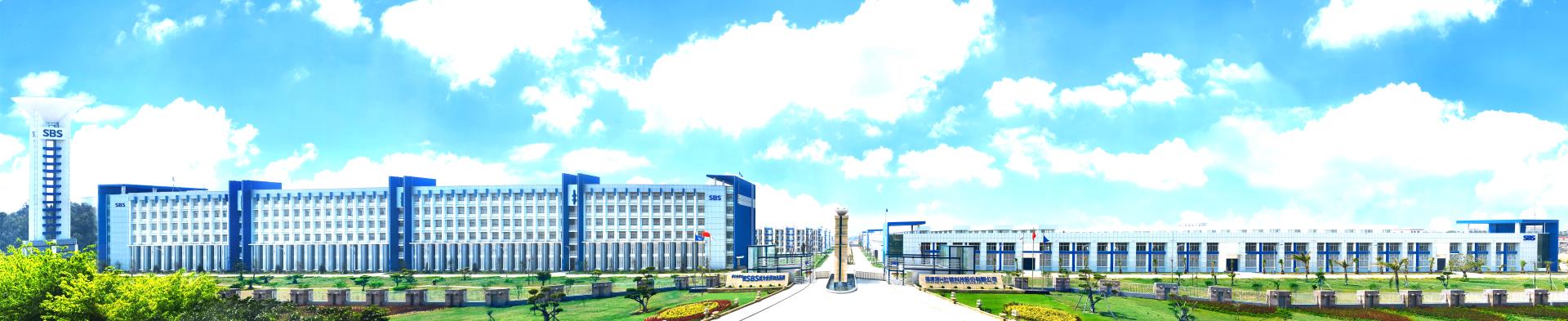
As global demand for sustainable packaging solutions rises, FUJIAN SBS SIBO TECHNOLOGY CO., LTD (SIBO) leads the way in making PE bottle production greener and more responsible. SIBO’s eco-friendly journey begins with a strong commitment to using recycled (rPE) and bio-based polyethylene (bio-PE), reducing dependence on virgin fossil-based plastics. The company employs advanced, energy-efficient machinery, closed-loop water recycling systems, and low-emission solvents to minimize overall environmental impact. Waste management is circular by design, with in-house recycling and take-back programs ensuring that production scraps and used bottles are reintroduced into the manufacturing stream.
SIBO also focuses on lightweighting and Design for Environment (DfE) principles, creating bottles that use less material and are easier to recycle. Smart manufacturing, driven by IoT, digital monitoring, and automated quality control, further optimizes resources and reduces waste. The company extends its green initiatives across the supply chain, working with eco-conscious suppliers and optimizing logistics for lower emissions. A culture of sustainability is fostered through employee training, recognition, and cross-departmental collaboration.
SIBO’s environmental achievements are verified by international certifications like ISO 14001 and the Global Recycled Standard (GRS). The company also educates customers, collaborates with industry partners, and continuously strives for improvement, setting ambitious targets for energy, water, and recycled content. Through these comprehensive efforts, SIBO has become a benchmark for greener PE bottle production, proving that sustainability and innovation can go hand in hand for a cleaner, safer future.
Introduction: The Urgency for Greener Packaging
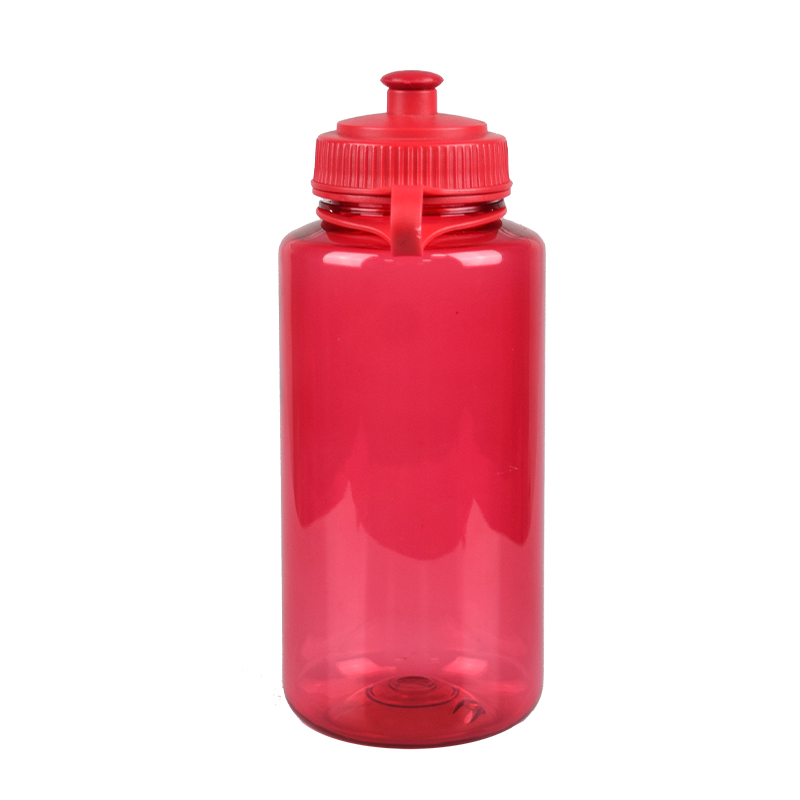
The global demand for environmentally responsible packaging solutions is higher than ever. Polyethylene (PE) bottles are widely used in industries like food and beverage, personal care, pharmaceuticals, and household chemicals due to their durability and versatility. However, the traditional processes of pe bottle manufacturing have raised concerns over carbon emissions, plastic pollution, and overall environmental impact. As a front-runner in the field, FUJIAN SBS SIBO TECHNOLOGY CO., LTD (SIBO) is setting new benchmarks for greener, more sustainable PE bottle production. This article explores in detail the evolving eco-friendly practices, technologies, and philosophies that define SIBO’s commitment to green manufacturing.
SIBO: Pioneering Sustainable PE Bottle Innovations
Established as a major innovator in the packaging industry, SIBO has focused on embedding sustainability into every aspect of its PE bottle production processes. From raw material selection to energy-efficient manufacturing and responsible end-of-life solutions, SIBO’s journey toward greener production is multi-faceted and comprehensive.
undefined
Raw Material Selection: The Foundation of Green Production
The most significant step towards sustainable PE bottle production lies in the choice of raw materials. SIBO prioritizes the use of recycled polyethylene (rPE) and bio-based polyethylene (bio-PE) to reduce reliance on fossil-based plastics. By integrating post-consumer recycled content into their bottles, SIBO not only diverts plastic waste from landfills but also lowers the overall carbon footprint of each product.
- Recycled Content: SIBO actively sources high-quality recycled PE from reputable suppliers, ensuring that eco-friendly bottles meet rigorous quality standards.
- Bio-Based Materials: By embracing naturally derived feedstocks such as sugarcane-based ethanol, SIBO supports a circular, renewable approach to plastic production.
The company also maintains strict quality control to guarantee that recycled and bio-based materials match, or exceed, the performance of virgin PE in terms of durability, safety, and aesthetics.
Energy Efficiency and Cleaner Production Techniques
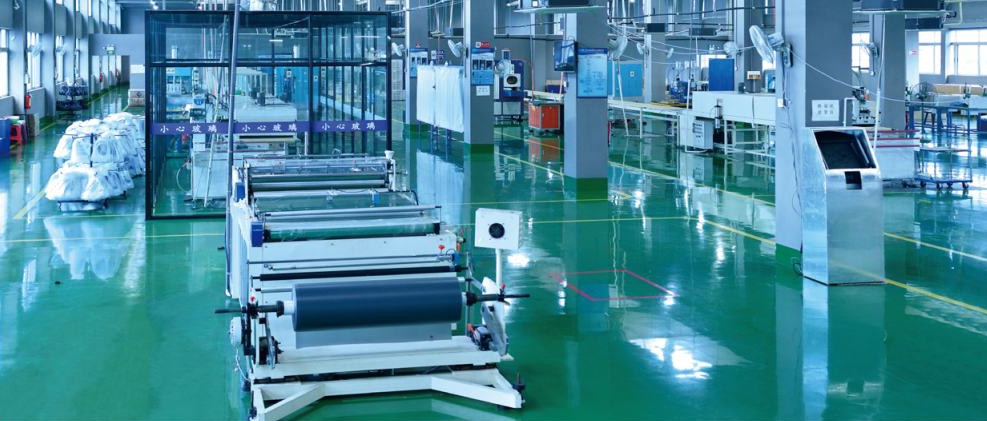
Manufacturing PE bottles typically involves energy-intensive processes such as extrusion and blow molding. SIBO has made significant investments in state-of-the-art machinery designed for energy efficiency and minimal emissions.
- Advanced Molding Equipment: New generation blow molding machines at SIBO reduce electricity consumption by optimizing cycle times and using servo-driven systems.
- Heat Recovery Systems: SIBO employs heat exchangers to capture and reuse thermal energy, reducing the overall need for external power sources.
- LED Lighting and Smart Controls: The production facilities utilize LED lighting, automated controls, and smart sensors to minimize energy waste across all operations.
These measures not only cut down on carbon emissions but also lower operational costs, creating a win-win scenario for business and the environment.
Water Conservation and Emission Reduction
Water is a critical resource in PE bottle production, especially in cooling and cleaning processes. SIBO has introduced closed-loop water systems that recycle and filter water for repeated use, drastically lowering fresh water intake. They have also optimized chemical usage by transitioning to eco-friendly cleaning agents and reducing harmful solvent emissions in the production line.
- Closed-Loop Water Systems: These systems allow SIBO to reuse water multiple times, reducing total water consumption by up to 60%.
- Low-Emission Solvents: SIBO only uses solvents and additives with minimal environmental impact, further reducing air and water pollution.
Such initiatives help SIBO comply with both local and international environmental standards while promoting a greener product lifecycle.
Waste Management and Circular Economy Integration
SIBO’s approach to waste management is circular by design. The company implements strategies to minimize, recycle, and repurpose production scraps and post-consumer bottles.
- In-House Recycling: Production off-cuts and defective bottles are ground and reintroduced into the manufacturing stream, reducing raw material waste.
- Take-Back Programs: SIBO partners with clients and local communities to collect used PE bottles, which are then recycled into new products.
- Zero Landfill Commitment: By maximizing recycling and energy recovery, SIBO strives to send no production waste to landfill.
This circular approach not only conserves resources but also supports broader industry efforts to eliminate plastic pollution and close the materials loop.
Design for Environment and Lightweighting
Product design plays a crucial role in sustainability. SIBO’s engineering teams apply Design for Environment (DfE) principles to optimize bottle shapes, reduce material usage, and enhance recyclability.
- Lightweighting: By reducing the weight of each bottle without compromising strength, SIBO decreases material consumption and transportation emissions.
- Enhanced Recyclability: Bottles are designed with mono-materials and easy-to-remove labels to facilitate recycling at end-of-life.
- Innovative Closures: SIBO develops closures and caps that are fully recyclable and compatible with the PE recycling stream.
These design improvements translate to tangible environmental benefits, making SIBO’s bottles both functional and sustainable.
Smart Manufacturing and Digitalization
SIBO embraces Industry 4.0 technologies to enhance transparency, efficiency, and sustainability throughout the PE bottle production process.
- IoT Sensors: Real-time data collection enables SIBO to monitor energy and resource consumption, quickly identify waste, and optimize production parameters.
- Predictive Maintenance: Digital tools allow SIBO to anticipate and address equipment issues before they result in inefficiencies or downtime.
- Automated Quality Control: Vision systems and artificial intelligence are used for rapid defect detection, reducing waste and ensuring high product quality.
Digitalization not only speeds up innovation but also ensures that sustainability goals are systematically integrated into daily operations.
Sustainable Supply Chain Management
SIBO recognizes that sustainability extends beyond its own facilities. The company works closely with suppliers and logistics partners to ensure green practices are upheld throughout the value chain.
- Eco-Friendly Sourcing: SIBO selects suppliers who demonstrate strong environmental stewardship and responsible sourcing of raw materials.
- Green Logistics: By optimizing transportation routes and using low-emission vehicles, SIBO reduces the carbon footprint of product distribution.
- Supplier Audits and Training: Regular assessments and capacity-building initiatives help SIBO’s partners improve their own sustainability performance.
This end-to-end approach amplifies the environmental benefits of SIBO’s green initiatives and drives positive change across the industry.
Employee Engagement and Green Culture
SIBO believes that meaningful change is only possible when every employee is invested in the company’s sustainability mission. The company invests in ongoing education, training, and motivation programs to foster a culture of eco-consciousness and continuous improvement.
- Green Training Programs: Employees are educated on best practices in waste reduction, energy conservation, and sustainable manufacturing.
- Recognition and Incentives: SIBO rewards staff who contribute innovative ideas or achieve exceptional results in sustainability performance.
- Collaborative Innovation: Cross-functional teams are empowered to develop and implement new green initiatives across departments.
This culture of engagement ensures that sustainability is deeply embedded in the DNA of SIBO’s operations.
Certifications and Compliance: Benchmarking Progress
To demonstrate and benchmark its green achievements, SIBO pursues a wide range of environmental certifications and adheres to the latest regulatory requirements.
- ISO 14001: Certification in environmental management systems ensures systematic control and improvement of environmental performance.
- Global Recycled Standard (GRS): SIBO’s use of recycled materials is verified and tracked according to international standards.
- Food Safety and Health Compliance: SIBO ensures that all green materials and processes meet stringent health, food safety, and regulatory standards for global markets.
These certifications build trust with customers and stakeholders, reinforcing SIBO’s reputation as a leader in sustainable packaging.
Customer Education and Partnerships
SIBO extends its sustainability mission to customers and industry partners, actively promoting responsible consumption and recycling behaviors.
- Educational Campaigns: SIBO provides resources and guidance on correct recycling, eco-friendly packaging choices, and environmental stewardship.
- Collaborative R&D: By working with clients on custom green packaging solutions, SIBO accelerates the adoption of eco-design and low-impact materials across diverse markets.
- Industry Alliances: The company partners with trade associations, NGOs, and academic institutions to advance research and best practices in sustainable packaging.
Through collaboration and education, SIBO magnifies its positive environmental impact far beyond its own production facilities.
Continuous Improvement: The Path Forward
For SIBO, sustainability is not a destination but an ongoing journey. The company sets ambitious, measurable targets for further reducing its environmental footprint, including goals for energy use, water management, and recycled content. SIBO regularly reviews its processes, invests in new technologies, and solicits feedback from stakeholders to drive continual improvement. This dynamic approach ensures that SIBO remains at the forefront of green innovation in PE bottle manufacturing.
Table: Key Green Initiatives in SIBO’s PE Bottle Production
| Initiative | Description | Environmental Benefit |
|---|---|---|
| Recycled/Bio-Based PE | Use of rPE and bio-PE in bottle manufacturing | Reduces reliance on virgin plastics and fossil fuels |
| Energy-Efficient Machinery | Modern blow molding and extrusion technologies | Lower energy consumption and CO2 emissions |
| Water Recycling | Closed-loop systems for water reuse | Lower fresh water usage, reduced discharge |
| In-House Recycling | Reuse of production scraps | Minimizes waste sent to landfill |
| Lightweighting | Designing bottles to use less material | Reduces material and transportation emissions |
| Smart Manufacturing | IoT, automation, and digital monitoring | Optimizes resource use and minimizes waste |
| Certification & Compliance | Adoption of international green standards | Ensures reliable, verified sustainability |
Looking Ahead: SIBO’s Vision for the Future of Green Packaging
As environmental awareness and regulatory pressures continue to grow, SIBO remains dedicated to pushing the boundaries of sustainable PE bottle production. By investing in research, forging strong partnerships, and cultivating a green culture, SIBO sets a high bar for what responsible manufacturing can achieve in the 21st century. Through relentless innovation and a holistic approach, SIBO is not just keeping pace with global sustainability trends—it is helping to define them.
Post time: Jan-29-2026